Preventing Insect Infestations in Warehouses and Industrial Buildings
People seeking to prevent insect infestations in warehouses and industrial buildings can rely on local service providers to implement effective pest control strategies and protect their facilities.
If you manage a warehouse or industrial building, preventing insect infestations is a crucial part of maintaining a safe and productive environment. Insect issues can lead to contamination, damage to stored goods, and disruptions to daily operations. Property owners in the area often explore effective prevention strategies to protect their investments and ensure compliance with health standards. By staying proactive, they can reduce the risk of costly infestations and avoid the complications that come with pest problems. Local contractors specializing in insect infestation prevention offer tailored solutions designed to address the unique needs of industrial spaces, helping property owners keep pests at bay and maintain a secure facility.
Understanding the importance of proper prevention methods can make a significant difference in safeguarding your property. Practical steps such as sealing entry points, managing waste, and monitoring for signs of pests are essential components of an effective plan. Many local service providers are equipped to implement these measures and provide ongoing support to keep insects out of warehouses and industrial buildings. Exploring these services can help property owners identify the right strategies to prevent infestations before they become serious issues, ensuring a clean, pest-free environment for everyone involved.
- Warehouse pest management - when signs of insect activity appear, local contractors implement targeted treatments to prevent further infestations.
- Industrial building inspections - to identify entry points and attractants, service providers conduct thorough assessments and recommend preventative measures.
- Insect proofing services - in facilities prone to infestations, local pros install barriers and exclusion devices to keep pests out.
- Pre-infestation treatments - prior to peak pest seasons, specialists apply preventative solutions to safeguard storage areas and equipment.
- Structural pest prevention - for warehouses with ongoing pest concerns, contractors focus on sealing cracks and eliminating pest habitats to reduce risks.
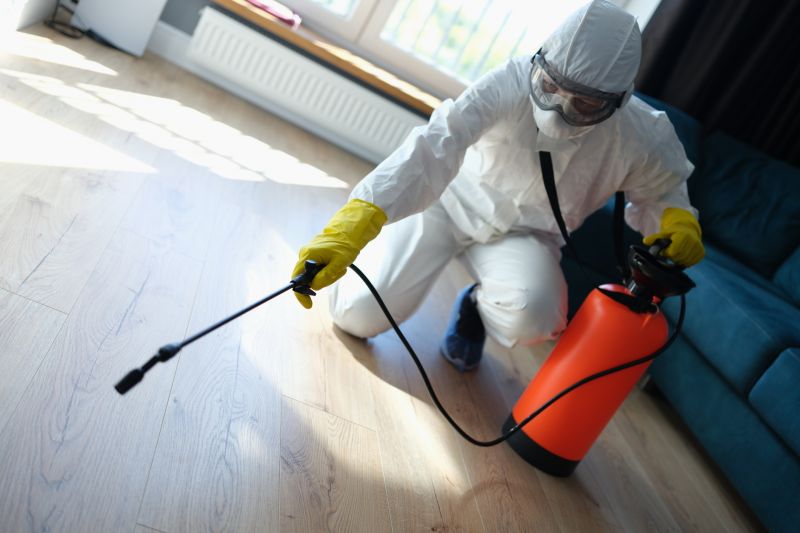
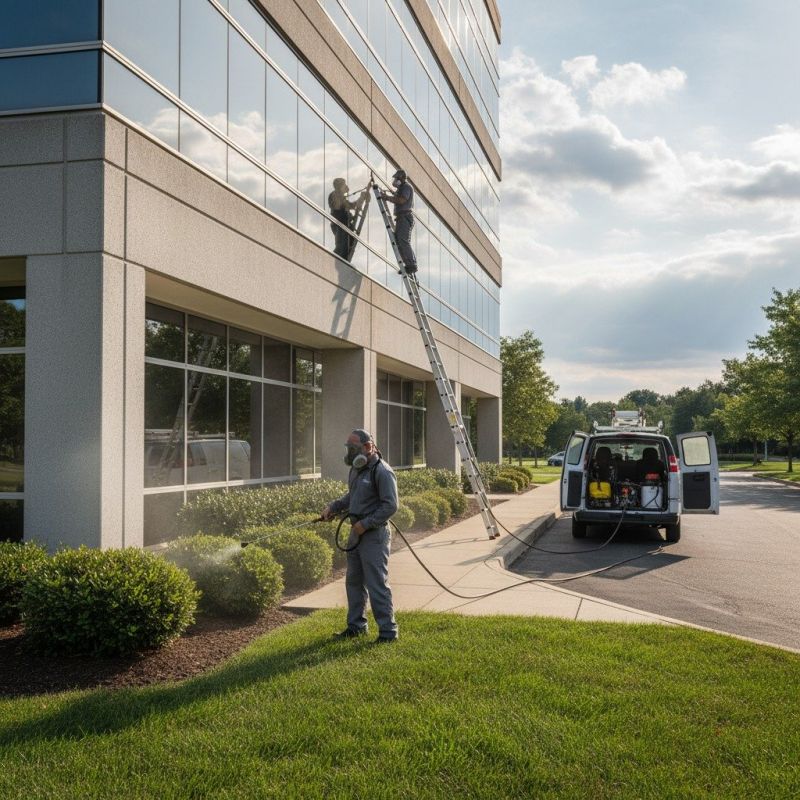

When people search for preventing insect infestations in warehouses and industrial buildings, they are often concerned about safeguarding their property from pests such as ants, cockroaches, beetles, or stored product insects. This topic typically comes up in the context of maintaining a pest-free environment that protects inventory, equipment, and the building’s structural integrity. Business owners, facility managers, and property owners may be looking for ways to establish ongoing prevention strategies or address existing issues before they develop into full-blown infestations. The focus is usually on understanding the risks posed by pests and implementing effective measures to keep these unwanted visitors out, ensuring operations can run smoothly without interruption.
Preventing insect infestations in warehouses and industrial buildings relates closely to broader plans for pest management, sanitation, and property maintenance. These structures often have large storage areas, high ceilings, and access points that can make pest entry easier. Common problems include contamination of stored goods, damage to packaging, and the potential spread of pests to nearby properties. Many property owners develop integrated pest prevention plans that include sealing entry points, maintaining cleanliness, and installing physical barriers. In some cases, proactive inspections and ongoing monitoring are part of the plan, especially in facilities that handle food products, pharmaceuticals, or other sensitive items.
The types of properties that typically come up in discussions about preventing insect infestations in warehouses and industrial buildings range from large distribution centers and manufacturing plants to smaller storage warehouses and cold storage facilities. These buildings often have extensive shelving, pallets, and packaging materials that can attract pests. Industrial properties may also include factories, food processing plants, or logistics hubs, where pest prevention is critical to meet health and safety standards. Homeowners or smaller business owners may also have similar concerns if they operate large-scale storage or have warehouses on their property, making pest prevention a practical priority to protect their investments.
Local service providers specializing in insect infestation prevention are equipped to help property owners develop and implement customized strategies tailored to the specific needs of each building. These professionals typically perform thorough inspections to identify vulnerabilities and pest activity, then recommend targeted solutions such as sealing entry points, applying barriers, and setting up monitoring stations. They can also advise on sanitation practices and structural modifications to reduce pest attractants. Connecting with experienced local contractors ensures that preventive measures are properly executed, helping to minimize the risk of infestations and protect the integrity of warehouses and industrial facilities over time.
Building inspection services - professionals who assess warehouse structures for entry points and vulnerabilities that could lead to insect infestations, supporting prevention strategies.
Pest exclusion services - local contractors specializing in sealing gaps and installing barriers to prevent insect entry into industrial buildings.
Facility sanitation services - providers who help maintain cleanliness and reduce attractants that could draw insects to warehouse environments.
Storage and inventory management consulting - experts advising on proper storage practices to minimize conditions conducive to insect infestations.
Environmental monitoring services - specialists who set up and maintain systems to detect early signs of insect activity within industrial facilities.
Lighting and ventilation system installation - technicians who optimize airflow and lighting to deter insects and improve warehouse conditions.
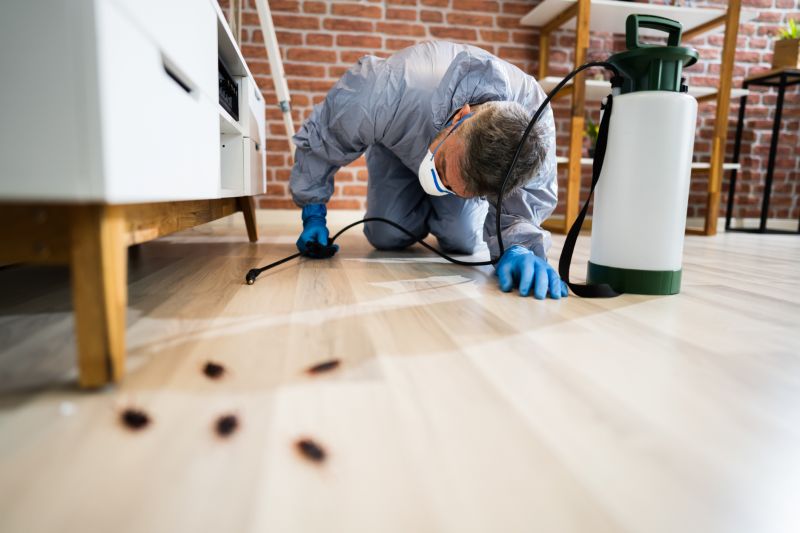
When comparing service providers for preventing insect infestations in warehouses and industrial buildings, it’s important to consider their experience with similar projects. An established local contractor with a history of working in environments like warehouses and industrial facilities can bring valuable insights into the unique challenges these settings present. Their familiarity with the layout, materials, and operational considerations can influence the effectiveness of their prevention strategies. Asking about past projects or seeking out reputable references can help gauge whether a contractor has successfully handled insect prevention in similar settings, providing confidence that they understand the specific needs of industrial environments.
Clear written expectations are essential when evaluating potential service providers. A detailed scope of work, outlining the methods, areas to be treated, and any ongoing maintenance or monitoring, helps ensure everyone is aligned on what the prevention services will include. This clarity can prevent misunderstandings and set a foundation for a smooth working relationship. When reviewing proposals or estimates, look for providers who communicate their approach openly and provide comprehensive documentation. This transparency demonstrates professionalism and makes it easier to compare options based on the scope and quality of services offered.
Good communication is a key factor in selecting a reliable insect infestation prevention service provider. A responsive contractor who listens to specific concerns and provides clear explanations about their methods can make the process more straightforward. Effective communication also involves keeping clients informed about the progress and any necessary follow-up actions. When considering local service providers, it’s helpful to observe how promptly and clearly they respond during initial inquiries. Strong communication skills can contribute to a more successful partnership, ensuring that prevention efforts are properly coordinated and tailored to the unique needs of warehouses and industrial buildings.
Property owners often search for preventing insect infestations in warehouses and industrial buildings when they are planning practical projects around their homes and businesses. Local pros provide Insect Infestation Prevention services for everyday jobs and straightforward project options.


Warehouse and industrial building owners often look up information on preventing insect infestations to protect their inventory and maintain a clean, pest-free environment. Small cracks, cluttered storage areas, and unsealed entry points can make these spaces vulnerable to pests like cockroaches, ants, and beetles. Addressing these issues early with the help of local contractors can help keep insects at bay, reducing the risk of contamination or damage to stored goods. Property owners may seek out professional services to implement effective prevention strategies that are tailored to the unique needs of their facilities.
Many property owners in the area understand that regular inspections and targeted treatments are essential for preventing insect infestations in warehouses and industrial buildings. Local service providers can assist with identifying potential problem areas, sealing entry points, and applying preventative measures that keep pests from establishing themselves. Relying on experienced professionals can ensure that the space remains pest-free, minimizing disruptions and costly infestations over time. Connecting with trusted local contractors can provide peace of mind and effective solutions for ongoing insect prevention.
What are effective methods for preventing insect infestations in warehouses and industrial buildings? Local contractors often recommend a combination of sanitation, sealing entry points, and regular inspections to prevent insect infestations in warehouses and industrial buildings.
How can I identify signs of an insect infestation early? Service providers suggest monitoring for signs such as droppings, damaged packaging, or live insects, and conducting routine inspections to catch infestations early.
What maintenance practices help reduce the risk of insect infestations? Proper waste management, regular cleaning, and sealing cracks or gaps are common practices advised by local pros to minimize the risk of insects entering and establishing in industrial spaces.
Are there specific areas in warehouses that need extra attention for pest prevention? High-risk areas include loading docks, storage rooms, and areas with food or organic materials, where pest activity is more likely and requires targeted prevention efforts.
How can professional pest prevention services assist in maintaining a pest-free environment? Local service providers can assess vulnerabilities, implement integrated pest management strategies, and provide ongoing monitoring to help prevent insect infestations effectively.
Seal entry points - Identifying and sealing gaps, cracks, and openings helps prevent insects from entering warehouses and industrial buildings, and local contractors can assist with effective sealing solutions.
Implement sanitation practices - Maintaining cleanliness and removing food sources reduces attractants for insects, with service providers offering sanitation and waste management advice.
Set up physical barriers - Installing screens, door sweeps, and barriers can block insect entry points, and local pros can help with proper installation and material selection.
Schedule regular inspections - Routine inspections by pest prevention experts can identify early signs of infestation and ensure preventive measures stay effective.
If you are thinking about preventing insect infestations in warehouses and industrial buildings for a property, this guide is meant to help you understand this topic, the typical project types, and how different options might fit your plans.
When you are ready, you can use the quote form on this page to share a few details about your project. From there, local pros can review the basics and follow up with options that match what you have in mind.