Seasonal Stinkbug Activity and When Control Is Most Effective
To effectively manage seasonal stinkbug activity and when control is most effective, local service providers can implement targeted treatments to prevent infestations and protect your home.
Understanding seasonal stinkbug activity and when control is most effective can help property owners prepare for and manage these unwelcome visitors. As stinkbugs tend to become more active during certain times of the year, knowing the patterns can make a significant difference in preventing infestations from taking hold inside homes and buildings. Local service providers experienced in stinkbug control are equipped to offer practical advice and targeted solutions that align with these seasonal behaviors, helping property owners stay one step ahead.
For those in the area looking to minimize the impact of stinkbugs, exploring this topic provides valuable insights into the best times for intervention. Local contractors specializing in seasonal stinkbug control can implement strategies that are most effective during peak activity periods, reducing the likelihood of infestations and property damage. Keep reading to discover how understanding these seasonal trends can support effective management and connect with trusted professionals ready to assist when it matters most.
- Seasonal Stinkbug Control - homeowners noticing increased stinkbug activity during fall can rely on local contractors to implement effective barrier and exclusion methods.
- Seasonal Stinkbug Control - when stinkbugs begin to invade indoor spaces in late summer, service providers can apply targeted treatments to prevent entry.
- Seasonal Stinkbug Control - during peak activity periods in early fall, local pros use timing strategies to maximize control and reduce populations.
- Seasonal Stinkbug Control - in early spring, service providers can help prepare properties to minimize stinkbug overwintering and future infestations.
- Seasonal Stinkbug Control - as activity declines in late autumn, professionals can assist with cleanup and preventative measures to keep stinkbugs from returning.
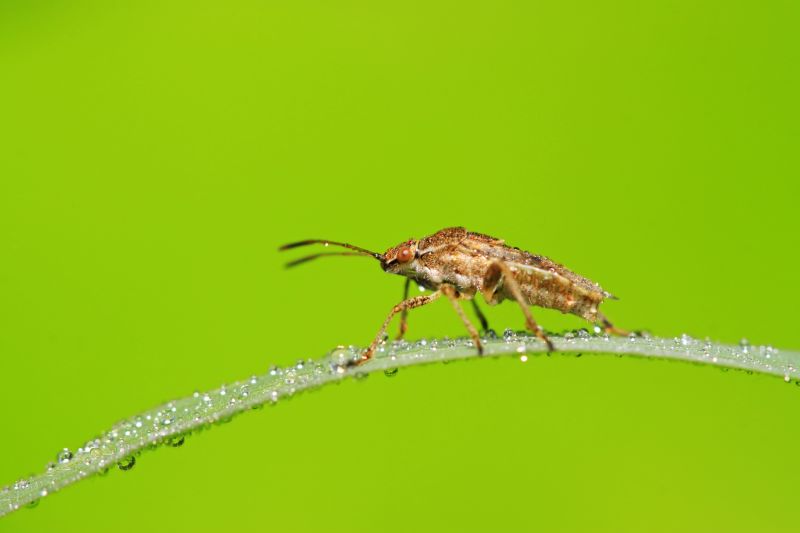
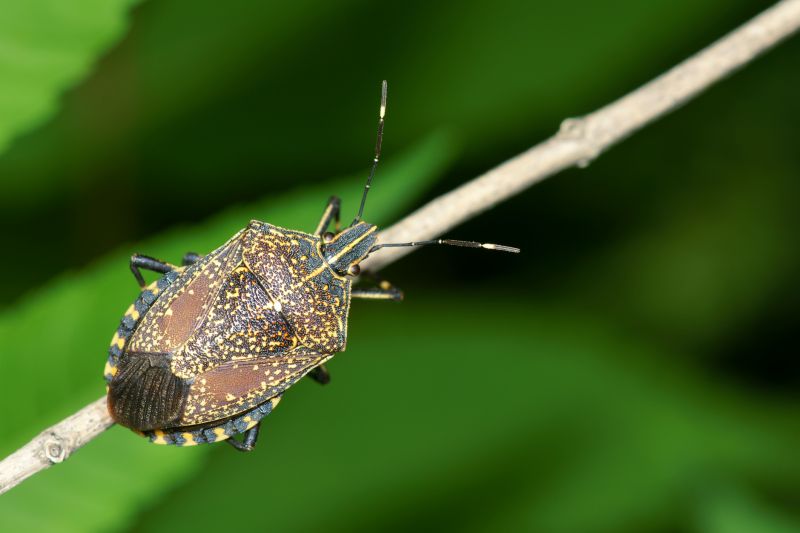
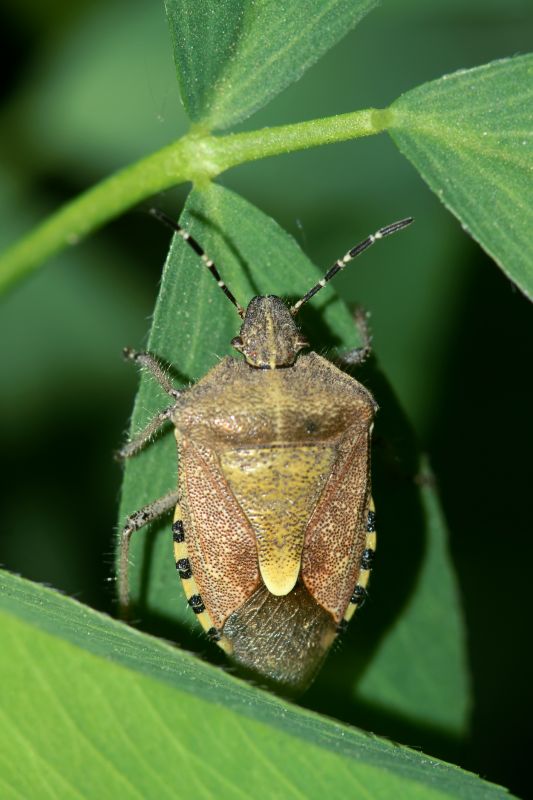
Understanding seasonal stinkbug activity and when control is most effective helps homeowners plan for pest management during the times of year when these insects are most active. Typically, stinkbugs become a concern in the fall when they seek shelter to overwinter, often invading homes and other structures. However, their activity can also begin in late summer and sometimes extend into early spring, depending on the climate. Homeowners searching for this topic are usually trying to determine the best timing to implement control measures to prevent infestations or to reduce existing populations. Local service providers specializing in stinkbug control can assess the specific seasonal patterns in an area and recommend appropriate treatments to target these pests during their peak activity periods.
The problems associated with seasonal stinkbug activity often involve large numbers of insects entering homes or businesses, creating nuisance situations and potential messes. In addition to the inconvenience, some homeowners are concerned about the odor stinkbugs release when disturbed or crushed. Planning for control around these seasonal patterns is essential for effective management. Many property owners are considering preventative measures before stinkbugs become a significant problem, especially in regions where these insects are known to overwinter in structures. Local contractors can provide insights into the most effective control strategies for different property types, helping to minimize the impact of these pests during their active seasons.
Properties most commonly affected by seasonal stinkbug activity include residential homes, especially those with entry points like gaps around windows, doors, and utility lines. Commercial buildings, such as warehouses, retail stores, and agricultural facilities, can also experience infestations that disrupt operations. Multi-family complexes and older structures with less weatherproofing are particularly vulnerable to invasions during peak stinkbug seasons. Homeowners and property managers should consider pest control services as part of their seasonal maintenance routines. Local service providers can evaluate property vulnerabilities and implement targeted treatments to reduce stinkbug entry and buildup, aligning control efforts with the insects’ seasonal activity patterns.
Effective control of stinkbugs relies heavily on timing. Most experts recommend initiating preventive measures before the insects begin seeking shelter, typically in late summer or early fall. This proactive approach can include sealing entry points and applying barrier treatments to reduce invasions. As stinkbug activity peaks in the fall, targeted treatments can help eliminate large populations before they become a major nuisance. In some cases, ongoing monitoring and maintenance are necessary throughout the active season to keep populations in check. Connecting with local contractors experienced in seasonal stinkbug control ensures that treatments are applied at the most strategic times, maximizing their effectiveness and minimizing the likelihood of infestations during the most problematic parts of the year.
Seasonal Pest Monitoring - Professionals who specialize in pest monitoring can help identify peak stinkbug activity periods, ensuring control efforts are timed effectively.
Insect Identification Services - Accurate identification of stinkbugs and similar pests aids in planning targeted control strategies during relevant seasons.
Home Inspection for Pest Entry Points - Inspectors can locate and seal entry points that stinkbugs use, reducing infestations during peak activity seasons.
Seasonal Pest Prevention Planning - Local contractors can develop customized prevention plans aligned with stinkbug activity cycles to improve control outcomes.
Exterior Pest Barrier Installation - Installing physical barriers around properties can help prevent stinkbugs from entering during their active seasons.
Integrated Pest Management Consulting - Experts can advise on combined control methods that are most effective during specific stinkbug activity periods.
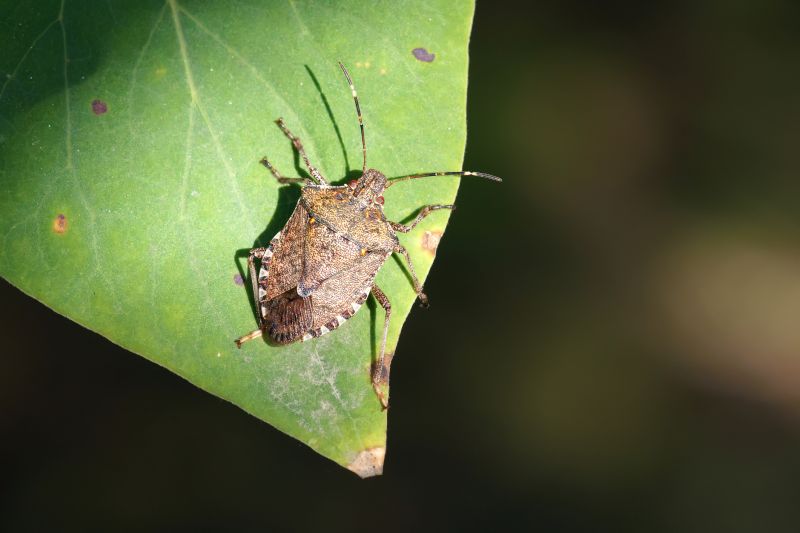
When evaluating service providers for seasonal stinkbug activity and when control is most effective, it’s important to consider their experience with similar projects. Homeowners should look for local contractors who have a proven track record in managing stinkbug infestations and understanding the seasonal patterns that influence their activity. An experienced provider will be familiar with the timing of peak activity and the most effective control methods, which can help ensure the work is done at the right time for optimal results. This background can also be a useful indicator of their ability to handle the specific challenges that arise with stinkbug control in different environments.
Clear written expectations are essential when choosing a local contractor for seasonal stinkbug control. Homeowners should seek detailed descriptions of the services offered, including what treatment methods will be used, the areas that will be treated, and any preparations needed before work begins. Having this information in writing helps prevent misunderstandings and allows for better planning. Reputable service providers typically communicate openly about what homeowners can expect, which fosters transparency and ensures that everyone is aligned on the scope of work and desired outcomes.
Good communication and reputable references are crucial factors when comparing local contractors for stinkbug control services. Homeowners should inquire about references or reviews from previous clients who experienced similar seasonal issues. This feedback can provide insight into the contractor’s professionalism, reliability, and effectiveness. Additionally, responsive and clear communication from the service provider during the inquiry process can indicate their commitment to customer service. Choosing a provider who values transparency and maintains open lines of communication can contribute to a smoother experience and more successful control efforts during seasonal stinkbug activity periods.
Property owners often search for seasonal stinkbug activity and when control is most effective when they are planning practical projects around their homes and businesses. Local pros provide Seasonal Stinkbug Control services for everyday jobs and straightforward project options.
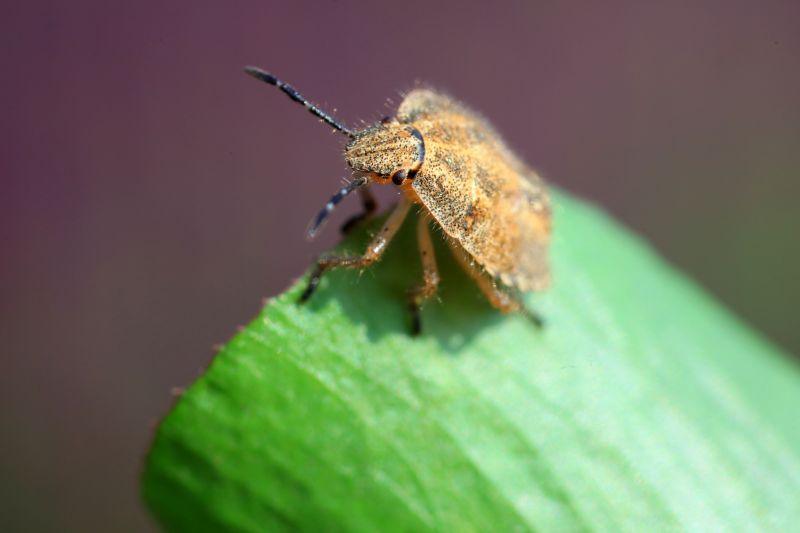
Understanding seasonal stinkbug activity and when control is most effective can help property owners manage these pests before they become a major nuisance. Stinkbugs tend to become more active during certain times of the year, especially in the fall when they seek shelter for the winter. Recognizing these patterns allows homeowners and property managers to plan for proactive measures, such as sealing entry points and applying targeted treatments. Local contractors who specialize in stinkbug control can assess the specific timing and conditions in the area, providing tailored solutions to reduce infestations and prevent them from entering indoor spaces.
Timing is a key factor in controlling stinkbug populations effectively. The most successful control efforts often occur before the insects begin their seasonal migration indoors or during their peak activity periods. Local service providers are equipped to advise on the best times to implement treatments based on seasonal trends, helping property owners minimize the impact of these pests. Engaging with experienced contractors can ensure that control methods are applied at the most appropriate times, offering a more efficient approach to managing seasonal stinkbug activity and keeping properties pest-free.
When does seasonal stinkbug activity typically increase? Seasonal stinkbug activity usually rises during late summer and early fall, making this the most effective time to seek control services from local contractors.
Why is timing important for stinkbug control? Timing is crucial because local service providers can implement treatments when stinkbugs are most active, preventing them from entering homes and reducing their populations effectively.
Are there specific times of year when control measures work best? Yes, control measures tend to be most effective during late summer and early fall when stinkbugs are gathering to overwinter, allowing local contractors to target them before they become a nuisance indoors.
How do seasonal patterns affect the need for stinkbug control services? Seasonal patterns show increased activity in late summer and fall, prompting local pros to recommend treatments during these periods for optimal results.
Can local contractors help with stinkbug control during peak activity seasons? Yes, local service providers are equipped to handle stinkbug control during peak seasons, providing targeted treatments when they are most effective.
Monitor seasonal stinkbug activity - property owners can observe patterns in bug appearances to determine peak times for control efforts with help from local contractors.
Schedule preventative treatments - arranging for control services before stinkbugs become a nuisance can reduce their indoor entry during high activity periods.
Seal entry points early - sealing gaps and cracks ahead of peak activity seasons can prevent stinkbugs from entering the building, with guidance from local service providers.
Plan for seasonal control strategies - understanding when stinkbug activity is most effective for treatment allows property owners to coordinate with local pros for optimal results.
If you are thinking about seasonal stinkbug activity and when control is most effective for a property, this guide is meant to help you understand this topic, the typical project types, and how different options might fit your plans.
When you are ready, you can use the quote form on this page to share a few details about your project. From there, local pros can review the basics and follow up with options that match what you have in mind.